
Skin tags, caused by friction or irritation, require specialized removal methods. Professional medical skin tag services offer safe, effective treatments for delicate areas like face and neck, using advanced techniques to minimize scarring and infection risks compared to at-home remedies. These services are ideal for reliable results, addressing cosmetic concerns, and enhancing confidence in a world valuing clear, smooth skin.
Looking to safely remove skin tags on your face or neck? This comprehensive guide covers everything from understanding the causes and types of these common growths to effective non-surgical methods, professional interventions, at-home treatments, risks, benefits, and post-removal care. Discover the best practices for safe and efficient medical skin tag removal services, ensuring your comfort and optimal results.
- Understanding Skin Tags: Causes and Types
- Non-Surgical Methods for Safe Removal
- Medical Skilled Professional Approach
- At-Home Treatments: Risks and Benefits
- Prevention and Care After Removal
Understanding Skin Tags: Causes and Types

Skin tags are small, soft bumps that appear on various parts of the body, including the face and neck. They are typically harmless but can be a source of concern for many individuals due to their appearance. Understanding their causes is essential when considering safe removal options. Skin tags develop as a result of skin friction or irritation, most commonly in areas where skin rubs against itself, such as the neck, armpits, or groin region. They are more prevalent in overweight individuals and those with certain skin conditions like eczema or diabetes.
There are different types of skin tags, including acrochordons, which are the most common and usually appear on the neck and armpits; verrucae, often found on the hands and feet; and genital warts, distinct from regular skin tags and requiring specialized removal methods like shaving, freezing, or medical treatments, as they can be more challenging to eliminate. For those seeking a permanent solution, a reliable medical skin tag removal service is recommended, especially in sensitive areas like the face and neck. Unlike at-home remedies or crude methods like shaving (genital warts vs skin tags shaving removal), professional services ensure safe and effective removal without causing further irritation or damage to the skin.
Non-Surgical Methods for Safe Removal
Medical Skilled Professional Approach

When considering the safe removal of skin tags on the face and neck, a medical skilled professional approach is paramount. This method involves specialized knowledge and techniques to ensure precise and gentle excision, minimizing risk of scarring or infection. Unlike over-the-counter skin tag removers that can be harsh and unpredictable, a medical service like skin tag removal Manchester or private skin tag removal Wakefield prioritizes patient safety and comfort. Skilled professionals use sterile equipment and evidence-based practices, offering fast results with minimal downtime, making it an ideal solution for those seeking effective yet safe skin tag removal.
At-Home Treatments: Risks and Benefits
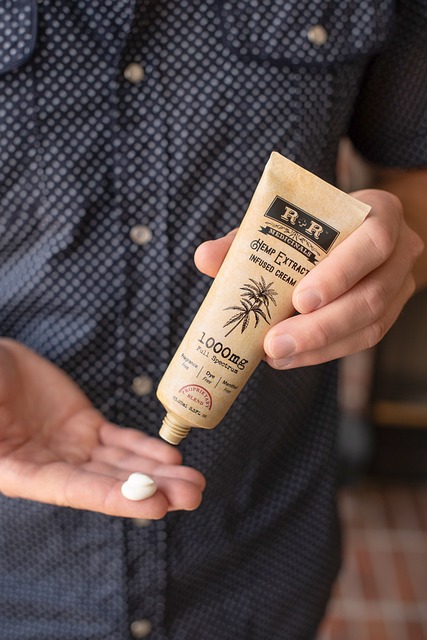
At-home treatments for skin tags offer a convenient and cost-effective solution for those seeking to remove these benign growths. However, it’s essential to understand that while some methods may be safe and effective for minor cases, they carry risks if not used properly. One popular at-home option is using tag removal creams, which contain ingredients like salicylic acid or lactic acid to dissolve the skin tag over time. These creams are easily accessible but may take several weeks to show results, and their effectiveness can vary widely.
Another common DIY approach involves shaving the skin tags off with a disposable razor. While this method is quick and inexpensive, it carries a higher risk of infection and scarring compared to medical skin tag removal services. For armpit skin tags, which are particularly sensitive areas, individuals might consider using specialized tag removal creams designed for these hard-to-reach spots. Following the instructions carefully can help avoid complications, but it’s crucial to remember that at-home treatments may not be suitable for everyone, especially those with certain skin conditions or allergies.
Prevention and Care After Removal

After safe removal by a qualified medical skin tag removal service, it’s crucial to care for the treated area to prevent infection and ensure optimal healing. Avoid touching or scratching the site, and steer clear of harsh soaps or cleansers that could irritate the skin. A gentle cleanser and cool compresses can help soothe any discomfort. Additionally, keep the area dry during your daily routines—be it swimming, showering, or exercising—to reduce the risk of complications.
Prevention is key when it comes to skin tags on the face and neck. Regular exfoliation helps remove dead skin cells and may deter new tags from forming. Staying hydrated and maintaining a balanced diet can also contribute to overall skin health. If you’re considering a private skin tag removal service—such as those offered in Blackburn, Edinburgh, or Manchester—consult with a professional who can provide tailored advice based on your specific needs and skin type.
When considering the safe removal of skin tags on the face and neck, it’s clear that a professional approach offers the best results. After understanding the causes and types, exploring non-surgical methods, and weighing at-home treatment risks, many individuals opt for a medical skin tag removal service. This expert intervention ensures precise, safe, and effective elimination, followed by proper care to prevent recurrence. For peace of mind and optimal outcomes, consulting a skilled professional is key.