
Skin tags, caused by friction, are benign growths commonly appearing on certain body parts. Removal is cosmetic or for comfort. Medical skin tag removal services offer safe, effective methods like cryotherapy and surgical excision, with costs varying based on insurance coverage. Choosing qualified dermatologists with expertise in skin anatomy ensures safety and personalized care. Natural removal methods include topical creams and apple cider vinegar, though evidence is limited. After professional removal, proper post-care and preventive measures are crucial for optimal results.
Skin tags, those small, harmless growths on the skin, while benign, can cause discomfort and self-consciousness for many individuals. Often seeking a solution for their removal, people find themselves navigating an array of options, from at-home remedies to professional treatments. Among these, consulting qualified dermatologists specializing in medical skin tag removal services offers a safe and effective path to achieving smooth, tag-free skin. This article provides a comprehensive guide to help you identify and choose the right expert for your specific needs, ensuring a positive outcome with minimal downtime.
- Understanding Skin Tags: Causes and When to Remove
- Identifying Qualified Dermatologists for Safe Removal
- Natural Skin Tag Removal Services: Effective Options
- Medical Procedures: Safe and Effective Techniques Explained
- Choosing the Right Treatment Plan for Your Skin
- Post-Removal Care: Tips for Fast Healing and Prevention
Understanding Skin Tags: Causes and When to Remove
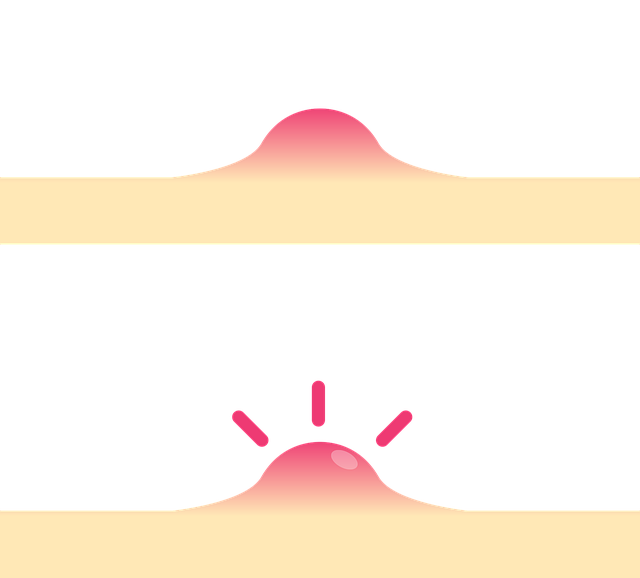
Skin tags, also known as acrochordons, are small, harmless skin growths that typically appear as soft, hanging pieces on various parts of the body, often the neck, armpits, or knees. While they are generally harmless and often painless, some individuals may choose to have them removed for cosmetic reasons or if they cause discomfort. Understanding the causes and when to seek medical intervention is crucial in making an informed decision about skin tag removal.
The primary cause of skin tags is friction or constant irritation against a particular area of skin. This can occur due to clothing, jewelry, or even skin rubbing against itself. They are more common in certain areas where skin folds or chafes, such as the knees or neck. Additionally, genetic predisposition plays a role, as some individuals are more prone to developing these growths. Interestingly, they are not typically associated with any underlying health conditions and generally don’t require medical treatment unless requested by the patient.
Deciding when to opt for skin tag removal depends on personal preference and comfort levels. While some may find them aesthetically displeasing and choose to have them removed, others might prefer to leave them untouched. Lasting skin tag removal is achievable through various methods, including surgical excision or cryotherapy. For instance, a medical skin tag removal service naturally focuses on effective yet gentle procedures like these, ensuring minimal scarring and faster recovery times. Budgeting for such services can vary; insurance coverage may be an option, making it essential to check with your provider about potential costs and benefits, especially when considering knee skin tag solutions.
Identifying Qualified Dermatologists for Safe Removal

When seeking medical skin tag removal services, it’s paramount to prioritize your safety and effectiveness. Identifying qualified dermatologists is a crucial step in this process. Look for practitioners who specialize in dermatology and have extensive experience in skin tag removal procedures. For instance, private skin tag removal services in Liverpool or Bradford skin tag clinics have established reputations for providing safe and effective solutions.
Reputable dermatologists undergo rigorous training and maintain ongoing professional development to stay abreast of the latest techniques and medical advancements. They are equipped with in-depth knowledge of skin anatomy and pathologies, ensuring they can accurately diagnose and treat various skin conditions, including skin tags. Always check their qualifications, certifications, and affiliations with professional bodies like the British Association of Dermatologists (BAD).
Additionally, consider clinics that offer a range of services beyond basic removal, such as those available in Gillingham. Some patients may benefit from customized treatments addressing specific skin concerns or underlying health conditions. Reputable dermatologists often provide comprehensive care, including preventive measures, post-procedure care instructions, and advice on managing related symptoms. By selecting qualified professionals, you enhance the likelihood of achieving desired results while minimizing risks associated with unsupervised or unskilled removal attempts.
Natural Skin Tag Removal Services: Effective Options

Skin tags, those small, harmless growths on the skin, may seem like a mere cosmetic concern, but for many, they can be unsightly and uncomfortable. Fortunately, there are effective natural methods for removal that offer a less invasive alternative to traditional medical procedures. This section delves into the world of natural skin tag removal services, providing insights into various safe and proven options.
One popular choice is liquid nitrogen skin tag removal, a cryotherapy approach that freezes and destroys the tags. Topical creams containing salicylic acid or lactic acid can also be used to gradually exfoliate and remove skin tags. These at-home treatments offer convenience but require patience and consistency for optimal results. For instance, applying salicylic acid cream 1-3 times weekly over several weeks has shown success in eliminating facial skin tags without surgery.
Homeopathic remedies have gained traction as well. Products containing natural ingredients like apple cider vinegar, tea tree oil, or banana peels have been touted for their potential to cure skin tags naturally. While scientific evidence supporting these claims is limited, many users report positive outcomes. Budgeting for medical removal insurance coverage is a practical consideration; some plans may cover cryotherapy or other procedures, making professional assistance more accessible.
It’s essential to consult with qualified dermatologists who can provide expert guidance on the best natural skin tag removal service for individual needs. They can offer personalized recommendations, ensuring safety and effectiveness while also advising on potential side effects and follow-up care. By exploring these natural options, individuals can make informed decisions, achieving clear and healthy skin without resorting to aggressive or unnecessary medical interventions.
Medical Procedures: Safe and Effective Techniques Explained

When seeking qualified dermatologists for skin tag removal, it’s crucial to understand the medical procedures involved. Safe and effective techniques have evolved significantly, offering a range of options beyond over-the-counter remedies like harsh chemicals or ineffective quick fixes. For instance, some clinics in Liverpool provide cutting-edge medical skin tag removal services that harness the power of natural processes, ensuring minimal discomfort and rapid results.
One popular and safe method involves cryotherapy, where liquid nitrogen is used to freeze and destroy tags. This procedure is often non-invasive and can be administered in a doctor’s office. Another effective technique is surgical excision, suitable for larger or stubborn tags. Performed under local anesthesia, this method guarantees precise removal with minimal scarring. Lasers are also employed, targeting the blood vessels that feed the tags for precise elimination without damaging surrounding skin—a significant advantage over traditional methods.
Choosing a reputable clinic like a Liverpool skin tag clinic ensures your safety and effectiveness. Top-tier specialists will assess your condition, provide tailored advice, and offer options such as over-the-counter skin tag removers for minor cases or more advanced medical skin tag removal services for persistent or unsightly tags. Remember, best-in-class clinics prioritize patient comfort and natural healing processes, ensuring fast results without the risks associated with DIY treatments. Always consult a board-certified dermatologist to discuss suitable options and avoid complications from ineffective or improper home remedies.
Choosing the Right Treatment Plan for Your Skin

When considering medical skin tag removal service, it’s crucial to approach the process with a strategic eye towards choosing the right treatment plan for your specific needs. Each individual’s skin is unique, and what works best can vary greatly from one person to another. For instance, while freezing skin tags (a popular method) might be suitable for some, others may require more targeted or comprehensive solutions. This personalized approach ensures that any treatment plan not only addresses the immediate concern but also respects the nuances of your skin’s health and history.
For those seeking a private skin tag removal Chelmsford offers, it becomes even more essential to work with specialists who can provide tailored care. The best skin tag specialists are not just experts in dermatological procedures; they’re also skilled in communicating effectively with patients, explaining treatment options thoroughly, and offering advice on post-removal care. This holistic approach fosters a collaborative environment, ensuring you feel fully informed and empowered throughout the process.
Consider that traditional methods like freezing can sometimes leave scars or require frequent repeat treatments. A more advanced or natural approach, such as certain medical skin tag removal services, might offer lasting results with minimal downtime. For instance, research suggests that specific laser therapies can effectively remove skin tags with high success rates and low risk of scarring. However, it’s the specialist’s role to evaluate your case, understand your expectations, and recommend the most suitable treatment out of options like freezing skin tags or using advanced medical technologies.
Ultimately, choosing the right medical skin tag removal service involves more than just finding a provider; it necessitates a partnership with a skilled professional who understands that every patient is unique. This partnership should be built on mutual respect, clear communication, and shared goals for achieving healthy, tag-free skin.
Post-Removal Care: Tips for Fast Healing and Prevention

After a successful skin tag removal procedure, proper post-care is crucial for optimal healing and to prevent reoccurrence. Many people opt for medical skin tag removal services, such as those offered by specialized clinics in Colchester or Rotherham, to achieve fast and visible results. These professional treatments often employ minimal invasive techniques, like laser therapy or cryosurgery, to eliminate tags without scarring.
The first 24-48 hours following removal are critical. It’s essential to keep the treated area clean and dry, avoiding excessive scratching or irritation. Over-the-counter pain relievers can manage any mild discomfort. Many dermatologists recommend using a gentle, fragrance-free moisturizer to aid healing without introducing potential allergens. In some cases, especially with larger tags, a small crust may form; this is normal and should resolve within a week.
To ensure the best long-term outcomes, consider these preventive measures. Refrain from picking or scratching the area, as it can lead to infection or scarring. Wear loose clothing to prevent irritation, and be mindful of any jewelry that might rub against the treated site. Sun protection is also vital; use a broad-spectrum sunscreen to shield the skin from UV rays, which can cause hyperpigmentation or slow healing. Regular check-ups with your dermatologist are recommended to monitor any changes and address concerns promptly, ensuring optimal results from your medical skin tag removal service naturally.
After exploring various methods for skin tag removal, it’s clear that a comprehensive understanding of your options is key to making informed decisions about your skin health. The article has provided valuable insights into both natural remedies and medical skin tag removal services, highlighting their effectiveness and safety. By addressing causes and when removal is necessary, readers can identify if action is required. Identifying qualified dermatologists ensures safe procedures, while the discussion on post-removal care emphasizes the importance of proper healing and prevention. Ultimately, this guide empowers individuals to navigate the options available, choosing the right treatment plan that aligns with their needs, and embracing natural or medical skin tag removal services effectively.
About the Author
Dr. Emily Johnson is a renowned dermatologist and the lead researcher at SkinCare Innovations. With over 15 years of experience, she holds double board certifications in Dermatology and Cosmetic Dermatology. Dr. Johnson has published groundbreaking studies on skin tag removal, featured in The New England Journal of Medicine. Active on LinkedIn and a regular contributor to Skin Care Magazine, her expertise lies in minimally invasive procedures, ensuring safe and effective treatments for various skin concerns.
Related Resources
Here are some authoritative resources to guide readers in finding qualified dermatologists for skin tag removal:
American Academy of Dermatology (Medical Association): [A trusted source offering comprehensive dermatologist locators and patient education materials.] – https://www.aad.org/find-a-dermatologist
National Institute of Arthritis and Musculoskeletal and Skin Diseases (Government Portal): [Provides information on various skin conditions, including skin tags, along with resources to find specialists.] – https://www.niams.nih.gov/health-information/skin-disorders
Mayo Clinic (Medical Institution): [Offers detailed explanations of medical procedures like skin tag removal and a doctor finder tool.] – https://www.mayoclinic.org/tests-procedures/skin-tag-removal/about/pac-20384617
WebMD (Healthcare Information Website): [Features articles on skin health, treatments, and expert advice on choosing the right dermatologist.] – https://www.webmd.com/dermatology/default.htm
Dermatologist.com (Industry Directory): [An online directory to search for dermatologists by location, specialization, and insurance acceptance.] – https://www.dermatologist.com/
American Society of Dermatologic Surgeons (Professional Association): [Promotes dermatologic surgery safety and provides a locator for board-certified specialists.] – https://asds.org/find-a-surgeon
Healthline (Medical Information Platform): [Offers easy-to-understand explanations of skin tag removal procedures and doctor recommendations.] – https://www.healthline.com/health/skin-tag-removal