
Skin tags, caused by friction or viral infections, can be removed non-surgically via cryotherapy, medical skin tag removal services (like laser treatments), or topical creams. Professional services in areas like Blackburn, Wolverhampton, Canterbury, Newark-on-Trent, Woking, Bradford, and Bristol offer safe, permanent solutions. At-home methods using essential oils, apple cider vinegar, or over-the-counter devices are also available, but consult a qualified professional for personalized advice, especially for stubborn cases. "Medical skin tag removal service" is key to effective treatment.
“Unwanted skin tags can be a nuisance, but non-surgical methods offer effective solutions without incisions. This comprehensive guide explores diverse approaches to eliminate skin tags at home or with professional assistance. From understanding their causes and types to delving into topical treatments, natural remedies, cryotherapy, laser surgeries, and at-home devices, we provide insights for informed decisions. Discover the best medical skin tag removal service tailored to your needs.”
- Understanding Skin Tags: Causes and Types
- Topical Creams and Ointments for Removal
- Natural Remedies for Safe Elimination
- Cryotherapy: A Non-Surgical Approach
- Laser Treatments: Precision and Effectiveness
- At-Home Devices: Options and Considerations
Understanding Skin Tags: Causes and Types
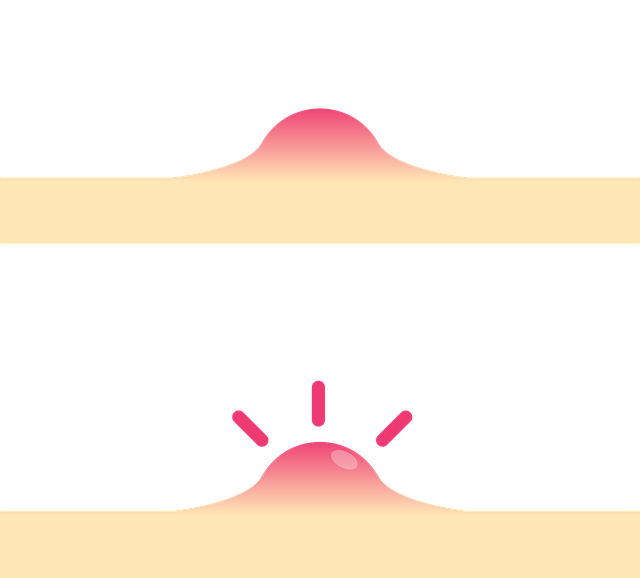
Skin tags are small, soft bumps that can appear anywhere on the body, often hanging from the skin by a thin stalk. They are generally harmless but may cause discomfort or embarrassment for some individuals. Understanding their causes is essential when considering non-surgical methods for elimination. Skin tags primarily develop due to friction or irritation of the skin, with certain types more common in specific areas. For instance, they frequently occur in creases and folds, such as the neck, armpits, groin, and underarms, where clothing can rub against the skin.
While there are various types of skin tags, one common category is acral verrucae, often found on the hands and feet. They may be triggered by exposure to certain viruses or a weakened immune system. Additionally, conditions like diabetes or obesity can increase the likelihood of developing these growths. For those seeking a permanent solution without surgery, non-invasive procedures like freezing (cryotherapy) or using medical skin tag removal services are popular options, especially when compared to private skin tag removal Blackburn or Wolverhampton-based clinics.
Topical Creams and Ointments for Removal

Many people opt for topical creams and ointments as a non-surgical approach to removing skin tags. These products often contain ingredients like salicylic acid, lactic acid, or glycolic acid, which help to exfoliate the skin and encourage cell turnover, gradually reducing the appearance of skin tags over time. Some creams also include natural remedies such as apple cider vinegar or tea tree oil, which have antiseptic properties and can aid in drying out and removing the tag.
While these at-home remedies to try can be effective, it’s important to remember that results may vary, and some cases of skin tags may require professional medical attention. For stubborn or numerous skin tags, a Doncaster skin tag clinic offering specialized services could be the best course of action. Real stories of skin tag removal from such clinics highlight their effectiveness in safely and permanently addressing this common concern.
Natural Remedies for Safe Elimination

Many people seek alternatives to medical skin tag removal services, opting for natural remedies as a safer and more gentle approach. One popular method involves using essential oils, such as tea tree oil or lavender, known for their anti-inflammatory and antibacterial properties. These oils can be applied topically to the skin tags, aiding in their gradual disappearance. Another homemade remedy is to soak the affected area in apple cider vinegar, which may help reduce the size and appearance of skin tags over time.
For those considering non-surgical options close to them, locations like Canterbury, Newark-on-Trent, and Woking offer various private clinics providing effective yet gentle skin tag removal treatments. These services often employ advanced techniques, such as cryotherapy (freezing) or laser treatment, ensuring minimal discomfort and quick recovery times. Always consult a qualified professional for personalized advice on eliminating skin tags naturally or through these modern alternative methods.
Cryotherapy: A Non-Surgical Approach

Cryotherapy involves freezing off skin tags using liquid nitrogen, a quick and relatively painless procedure. This non-surgical method is often preferred for its minimal downtime and precise results. Administered by trained professionals, cryotherapy can be an effective solution for individuals seeking a medical skin tag removal service. It’s particularly suitable for smaller or isolated skin tags.
Compared to surgical excision, which leaves a small scar, cryotherapy offers a more subtle approach. For those considering private skin tag removal in Bradford, knee skin tag solutions in Bristol, or bristol skin tag clinic services, this method provides a convenient and accessible option. It’s also an excellent choice for people who want to avoid the risks and recovery time associated with traditional surgical methods.
Laser Treatments: Precision and Effectiveness

Laser treatments offer a precise and effective method for medical skin tag removal service. This non-surgical approach utilizes concentrated light beams to target and destroy specific cells in the skin tag, promoting its gradual disappearance over time. The advanced technology ensures minimal damage to surrounding healthy skin, making it a popular choice among those seeking a permanent solution without incisions.
Compared to other DIY methods like tying or burning off tags, laser treatments provide a more controlled and professional approach. Skilled practitioners in medical aesthetics can tailor the intensity and duration of the laser pulse to different skin types and tag sizes, increasing the likelihood of successful removal. For those in areas like Woking or Bradford seeking private skin tag removal services, qualified dermatologists offer discreet and effective solutions using state-of-the-art lasers.
At-Home Devices: Options and Considerations
When considering at-home devices for skin tag elimination, it’s essential to understand the options available and make informed decisions. Many over-the-counter tools are designed for safe, non-surgical removal, offering a convenient alternative to professional services like those provided by Canterbury skin tag clinic or Rotherham skin tag removal specialists. These at-home devices often employ methods such as freezing (cryotherapy), burning (cauterization), or using topical creams to shrink and remove skin tags.
Some popular at-home options include handheld devices that use liquid nitrogen for cryotherapy, similar to what you might find in a medical skin tag removal service. Other choices include electric depilators or scalers that physically remove the tags, along with various adhesive patches and bands. When selecting an at-home device, consider factors like ease of use, safety, and effectiveness, ensuring it aligns with your comfort level and expectations. Remember, while these methods offer convenience, professional services in southend-on-sea can provide expert care and tailored advice for persistent or sensitive skin tag concerns.
When considering non-surgical methods for skin tag elimination, it’s clear that various options cater to different preferences and budgets. From topical treatments to advanced laser technology, each approach offers a unique advantage in addressing skin tags safely and effectively. For those seeking professional guidance, exploring reputable medical skin tag removal services can provide excellent results while ensuring expert care. Ultimately, the choice depends on individual needs, with each method contributing to achieving smooth, tag-free skin.