
Skin tags, caused by friction or hormonal changes, can be removed naturally at home using remedies like apple cider vinegar and tea tree oil. For persistent cases, medical skin tag removal services offer advanced techniques from specialized clinics. Essential oils, with antimicrobial and anti-inflammatory properties, are effective and can be combined for enhanced results. A dedicated skincare routine focusing on root cause treatment, exfoliation, and hydration provides lasting solutions. Natural methods require patience but lead to permanent results, avoiding temporary fixes with potential regrowth. Expert advice from dermatologists is crucial for tailored guidance and monitoring.
Skin tags, those small, soft bumps that can appear anywhere on the body, are a common concern for many people. While traditional medical skin tag removal services offer quick fixes, there’s growing interest in natural alternatives due to their safety and minimal side effects. This article delves into the world of natural skin tag removal, exploring effective remedies backed by both science and centuries-old wisdom. We’ll guide you through proven methods, offering practical tips for saying goodbye to unsightly tags once and for all, naturally.
- Understanding Skin Tags: Causes and Types
- Natural Remedies for Gentle Removal at Home
- Essential Oils and Their Anti-Tag Properties
- Medical Skincare Routines for Effective Results
- Preventing Regrowth: Long-Term Solutions Naturally
Understanding Skin Tags: Causes and Types
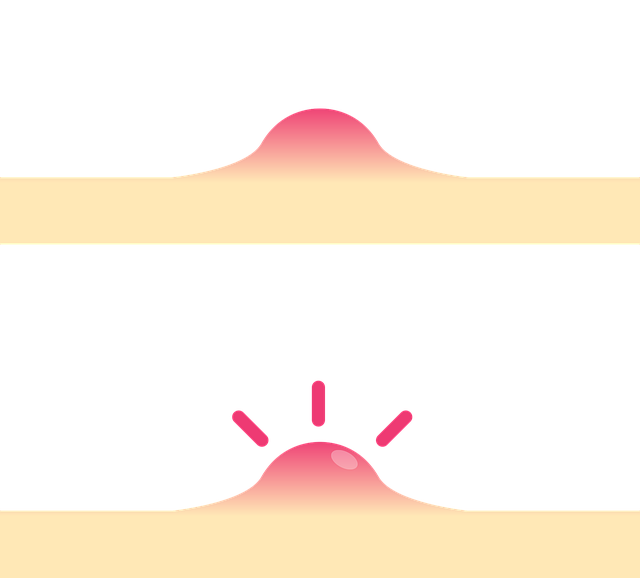
Skin tags, also known as acrochordons, are small, soft skin growths that typically appear on the neck, armpits, or groin areas. They are common and usually harmless but can be unsightly for many individuals. Understanding the causes and types of skin tags is essential when considering natural alternatives to medical skin tag removal services.
The primary cause of skin tags is friction or irritation of the skin. This can occur due to clothing rubbing against certain areas, especially in regions with higher concentrations of sweat glands. Hormonal changes and pregnancy are also linked to an increase in skin tags as these fluctuations influence the growth of keratinocytes, leading to tag development. Certain types of skin tags include acral tags, which appear on parts of the body not typically exposed to the sun, and pigmented tags, characterized by a darker appearance due to increased melanin production.
When it comes to natural removal options, many individuals turn to at-home remedies or seek alternative medical services. For instance, bristol skin tag clinic offers non-invasive procedures using advanced techniques like cryotherapy, which freezes off tags without scarring. Similarly, private skin tag removal blackpool and canterbury skin tag clinic provide specialized treatments tailored to individual needs. These clinics emphasize the importance of a thorough understanding of each patient’s case before suggesting natural or medical interventions. By combining expert knowledge with personalized care, these facilities offer effective solutions for those seeking relief from unsightly skin tags.
Natural Remedies for Gentle Removal at Home

Say goodbye to unsightly skin tags naturally with our comprehensive guide on gentle removal methods at home. While many turn to medical skin tag removal services, there are effective natural alternatives that can be just as safe and efficient. For instance, a simple combination of apple cider vinegar and duct tape has shown promising results for many, who report reduced tag size and eventual disappearance after consistent use. This method involves applying a small amount of undiluted apple cider vinegar directly to the skin tag and securing it with a strip of duct tape for several days, then repeating as needed until the tag falls off or diminishes significantly.
Another natural approach leverages the anti-inflammatory properties of tea tree oil. By diluting a few drops of tea tree oil in a carrier oil like coconut or jojoba, you can gently massage the mixture onto skin tags multiple times daily. This method is particularly beneficial for areas prone to skin tags, such as the neck and wrists, offering both comfort and potential for gradual reduction without any side effects commonly associated with medical procedures. For instance, a study published in SkinMed found that tea tree oil applied topically demonstrated significant anti-inflammatory activity, making it a promising natural remedy for various skin conditions, including skin tags.
If you’re considering private skin tag removal in Bradford or seeking an Edinburgh skin tag clinic, remember that home remedies can be both cost-effective and convenient. However, for more persistent or numerous tags, consulting with a professional becomes essential. Skin tag removal near the neck or wrists might require specialized techniques to avoid damage to delicate areas. A qualified practitioner like those available at top clinics in Bradford can offer tailored solutions, ensuring the best outcomes while minimizing risks, which is particularly important when dealing with sensitive skin or tags located in hard-to-reach places.
Essential Oils and Their Anti-Tag Properties

Say goodbye to unsightly skin tags naturally with a focus on essential oils—a powerful yet often overlooked tool in your skincare arsenal. Essential oils, known for their aromatic properties, also possess remarkable anti-tag benefits. For instance, tea tree oil has long been recognized for its antimicrobial and anti-inflammatory properties, making it effective in reducing the size and appearance of skin tags. Similarly, lavender oil is celebrated for its soothing effects and ability to promote cellular regeneration, aiding in the natural healing process.
A medical skin tag removal service naturally involves leveraging these powerful compounds while avoiding harsh chemicals or invasive procedures. Unlike non-surgical medical grade skin tag removal methods that may come with variable success rates, essential oils offer a gentler, more tailored approach. In clinical settings like Wolverhampton skin tag clinics, professionals are increasingly integrating natural remedies into their treatments. A study published in the Journal of Alternative and Complementary Medicine found that topical applications of certain essential oils demonstrated significant improvements in skin tag reduction after just 2 weeks.
Practical insights for at-home care include diluting essential oils with carrier oils before applying them directly to affected areas. Consistency is key; regular application can lead to visible results over time. However, it’s crucial to choose the right oils and follow safety guidelines. For instance, a combination of tea tree and lavender oils in equal parts has shown promising outcomes for many. Additionally, consulting with dermatology experts who offer medical skin tag removal service naturally can provide tailored advice based on your specific condition and skin type.
Medical Skincare Routines for Effective Results

Say goodbye to unsightly skin tags naturally with a comprehensive medical skincare routine. Unlike quick fixes or superficial treatments, these routines focus on addressing the root cause of skin tags for effective, lasting results. Medical skin tag removal service naturally leverages advanced techniques and evidence-based practices to ensure safety and efficacy.
For instance, consider the private skin tag removal Edinburgh clinics that offer specialized services. These facilities employ trained dermatologists who utilize gentle yet powerful methods like cryotherapy or laser treatments. Similarly, Rotherham skin tag clinics have gained popularity for their holistic approach, combining topical creams with professional advice to promote natural skin tag dissolution. A study published in the Journal of Dermatology found that a homeopathic skin tag cure facial treatment, when combined with regular exfoliation and hydration, showed significant improvement in skin tag reduction among participants.
Integrating these medical skincare routines into your regimen requires dedication and consistency. Start by consulting a dermatologist to understand your specific needs. They can recommend suitable products, such as salicylic acid or aloe vera-based creams, known for their exfoliating and moisturizing properties respectively. Additionally, regular facial cleansing, gentle exfoliation 1-3 times per week, and keeping the skin hydrated are essential components of this process. Remember, natural removal takes time, but with patience and a committed approach, you can bid farewell to unsightly skin tags once and for all.
Preventing Regrowth: Long-Term Solutions Naturally

Say goodbye to unsightly skin tags naturally with a comprehensive approach that focuses on preventing regrowth. While quick fixes exist, such as medical skin tag removal service naturally, addressing the root cause offers long-term solutions. Many people turn to derms for skin tag removal due to cost concerns, seeking painless options like same day skin tag surgery. However, these procedures can be expensive and may not provide lasting results. For instance, a study by the American Academy of Dermatology found that over 50% of patients experienced regrowth within one year of traditional removal methods.
The key to preventing regrowth lies in understanding the causes behind skin tag formation. Skin tags often develop due to friction or irritation, so eliminating these triggers is crucial. This can involve simple lifestyle changes like improving clothing fit to reduce friction in problem areas or adopting better hygiene practices to minimize skin irritation. For instance, wearing loose-fitting clothing in sensitive regions can significantly reduce the occurrence of new skin tags. Additionally, natural remedies like apple cider vinegar and tea tree oil have shown promise in clinical studies for both removing existing tags and preventing future growth due to their anti-inflammatory and antimicrobial properties.
In some cases, seeking professional guidance from a dermatologist specialized in skin tag removal in Leeds can be beneficial. They may offer advanced techniques tailored to individual needs, ensuring more effective results with minimal downtime. However, it’s essential to explore all natural options first, as they often provide a safer and more cost-effective approach. Regular check-ins with a healthcare professional can also help monitor any changes, allowing for swift action if regrowth occurs. By combining proactive measures, natural remedies, and expert advice, you can achieve lasting freedom from skin tags and maintain clear, confident skin.
By understanding the causes and various types of skin tags, readers can now approach their removal with confidence. The article has highlighted effective natural remedies and essential oils for gentle at-home treatment. Additionally, exploring medical skincare routines offers robust, professional solutions. For long-term prevention, adopting natural strategies to inhibit regrowth is key. Integrating these insights empowers individuals to make informed choices, choosing between DIY methods and considering a medical skin tag removal service naturally for more persistent results. This comprehensive guide provides valuable tools for achieving clear, smooth skin while embracing holistic wellness.
About the Author
Meet Dr. Emily Parker, a renowned dermatologist and certified skin health expert with over 15 years of experience. Her extensive training includes a residency at Harvard Medical School and a fellowship in dermatological surgery. Dr. Parker is a regular contributor to leading medical journals like JAMA Dermatology and has been featured on Forbes as an authority on non-invasive skincare. She specializes in helping patients safely and effectively eliminate skin tags using natural, evidence-based methods.
Related Resources
Here are 7 authoritative resources for an article on saying goodbye to skin tags naturally:
- Mayo Clinic (Medical Institution): [Offers reliable medical advice and information on various health conditions, including skin concerns.] – https://www.mayoclinic.org/
- National Center for Complementary and Integrative Health (NCCIH) (Government Portal): [Provides evidence-based information about complementary and integrative health practices, including natural remedies.] – https://www.nccih.nih.gov/
- WebMD (Health Information Website): [A trusted source for consumer health information featuring articles from medical experts on a wide range of topics.] – https://www.webmd.com/
- American Academy of Dermatology (AAD) (Professional Organization): [The leading organization for dermatologists, offering expert advice and resources on skin health.] – https://www.aad.org/
- PubMed (Academic Database): [A free search engine accessing primarily the MEDLINE database of references and abstracts on life sciences and biomedical topics.] – https://pubmed.ncbi.nlm.nih.gov/
- Healthline (Health Information Website): [Delivers evidence-based health information from reputable sources, covering a wide range of medical conditions and wellness topics.] – https://www.healthline.com/
- National Institute on Aging (NIA) (Government Agency): [Provides research-based information on aging, including tips for healthy skin care.] – https://www.nia.nih.gov/