Skin tags, caused by friction or genetics, can be removed for aesthetic reasons or discomfort. Recognizing their types is crucial when choosing removal methods—home remedies or professional treatments like microdermabrasion or cryotherapy from a medical skin tag removal service. Safety and efficacy are key with at-home methods; consulting a dermatologist for tailored advice or permanent solutions in areas like Coventry or Bolton is recommended. For stubborn or numerous tags, seeking professional medical skin tag removal services offers effective solutions like cryotherapy or surgical excision with no scars.
Looking to get rid of those pesky skin tags at home? This guide offers practical tips for successful skin tag removal without professional intervention. We’ll first unravel the mysteries of skin tags, exploring their causes and diverse types. Then, we’ll dive into effective at-home removal methods and safe practices guaranteed to soothe your skin. Additionally, we’ll pinpoint when it’s wise to consider a medical skin tag removal service, emphasizing the benefits of expert care for specific cases.
- Understanding Skin Tags: Causes and Types
- At-Home Removal Methods: Safe Practices
- When to Seek Professional Medical Skin Tag Removal Service
Understanding Skin Tags: Causes and Types
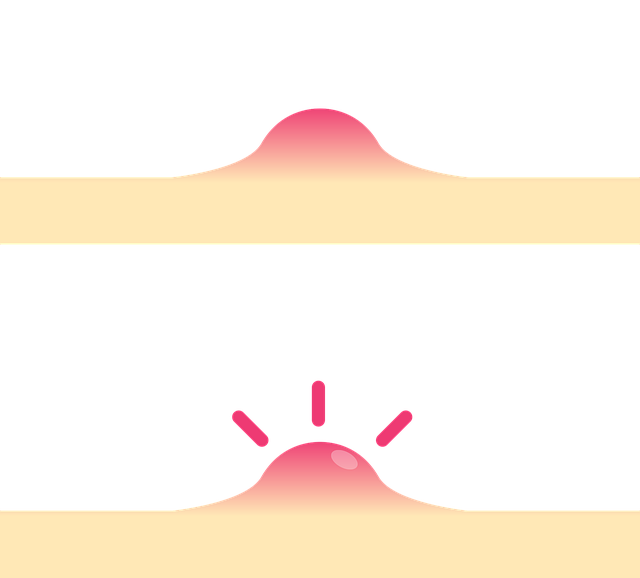
Skin tags, also known as acrochordons, are small, soft skin growths that typically appear in areas where skin rubs against itself. They can vary greatly in size and shape, from a few millimeters to over a centimeter. While they are generally harmless, many people opt for skin tag removal due to aesthetic concerns or discomfort caused by their presence. Understanding the causes and types of these growths is essential before considering any home remedies or medical procedures like microdermabrasion or cryotherapy.
Causes range from friction to genetics, with certain conditions like diabetes or obesity increasing susceptibility. Skin tags are more common in certain areas such as the neck, armpits, groin, and ankles. They can be singular or appear in clusters. Recognizing these variations is crucial when deciding on a removal method, whether it’s at home or seeking professional help from a service like skin tag removal Bradford or Southend-on-Sea.
At-Home Removal Methods: Safe Practices

When considering at-home skin tag removal, it’s crucial to understand safe practices to prevent complications and ensure effective results. While there are various remedies to try at home for removing skin tags, not all methods are suitable for every individual. Some common at-home approaches include using duct tape, salicylic acid, or essential oils; however, these can sometimes cause irritation or damage if not used properly.
For those in areas like Coventry or Bolton seeking more permanent solutions without visiting a medical skin tag removal service, it’s advisable to consult with a dermatologist first. They can guide you on suitable at-home treatments based on your skin type and the size/location of the tags. Additionally, they can recommend alternatives if home remedies aren’t recommended for your specific case.
When to Seek Professional Medical Skin Tag Removal Service

While many people prefer to attempt skin tag removal at home using various home remedies for stubborn tags, there are instances where seeking professional medical intervention is advisable. Skin tags, though usually harmless, can sometimes be a sign of underlying conditions or abnormalities that require expert attention. If your skin tags are particularly large, numerous, or persistently irritating, it might be time to consult a dermatologist near me.
Professional medical skin tag removal services, like those available in Edinburgh, offer safe and effective solutions for hard-to-reach or stubborn tags. Techniques such as cryotherapy (freezing) or surgical excision can provide permanent skin tag removal when performed by qualified specialists. This is especially important if home treatments have proven ineffective or if you’re concerned about the potential appearance of scars from at-home removal attempts.
Skin tags can be a nuisance, but with the right knowledge and safe practices, you can effectively manage them at home. However, for larger or persistent skin tags, it’s essential to consider professional medical skin tag removal services for permanent solutions. By understanding your options, you can make informed decisions about your skin health and choose the best course of action.